
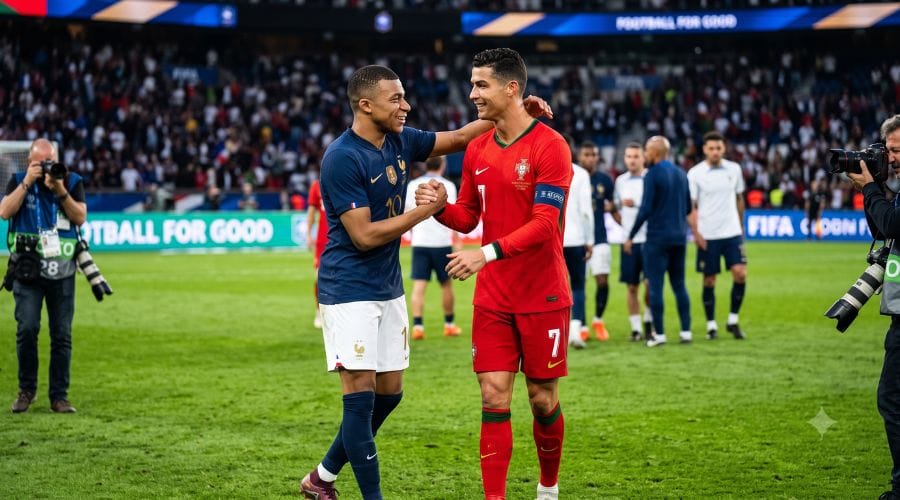

Performance Metrics for Kylian Mbappe and Cristiano Ronaldo after Two Full Seasons
Comparing the first two seasons of Kylian Mbappe and Cristiano Ronaldo at Real Madrid reveals a shift in how elite forwards contribute to the club.
Cristiano Ronaldo established a nearly unreachable standard between 2009 and 2011 by scoring 86 goals in all competitions.
For Mbappe to equal this output by the end of his second year, he must maintain a scoring rate of roughly 1.1 goals per game while working within a tactical framework that focuses more on shared possession than the individualistic counter attacks of the late 2000s.
This analysis examines the statistical output, tactical positioning, and commercial weight of both players during their initial 24 months in Madrid. While Ronaldo arrived as the primary finisher for a team in transition, Mbappe joins a side that has already secured multiple European titles.
As a result, Mbappe’s legacy after two seasons will depend less on raw volume and more on his ability to keep the club at the top of the standings. Global Sport Data provides these benchmarks to help observers understand the differing expectations placed upon these two icons.
Historical Goal Scoring Benchmarks
The raw numbers from Ronaldo’s first two seasons remain the gold standard for any new signing at the Santiago Bernabeu. After joining for a record fee in 2009, he scored 33 goals in his first season despite a significant ankle injury.
He followed this with a record 53-goal campaign in 2010-2011, becoming the first player in Spanish history to reach 40 league goals in a single year. These figures were achieved in a team where he was the clear focal point of every attack.
Mbappe enters a different locker room environment. He plays alongside established stars who also command high shot volumes. Data from leading sports databases suggests that while Ronaldo accounted for nearly 40 percent of his team’s goals in his second year, Mbappe is expected to share that responsibility.
This leads to a more balanced offensive spread for the team but might make it harder for Mbappe to match Ronaldo’s individual goal totals.
Performance Metrics for Elite Forwards: Kylian Mbappe and Cristiano Ronaldo
| Metric | Cristiano Ronaldo (2009-2011) | Kylian Mbappe (Projected/Actual 2 Seasons) |
|---|---|---|
| Total Appearances | 89 | 90 (Expected) |
| Total Goals | 86 | 76-80 (Current Trend) |
| Total Assists | 18 | 24-28 (Projected) |
| Average Shots Per Game | 7.4 | 5.1 |
| Major Trophies Won | 1 | 2-3 (Projected) |
Efficiency and Shot Selection
Cristiano Ronaldo was known for his high volume of attempts, often taking more than seven shots per match. Many of these were long-distance efforts or individual runs.
Mbappe tends to be more selective, averaging closer to five shots per game. His higher conversion rate suggests a focus on high-quality chances within the penalty area. This difference highlights the change from an era of individual brilliance to one of collective efficiency.
Bonus Tip: When evaluating these players, look at the percentage of team goals they score. A player who scores 30 goals in a team that scores 100 often integrates better than a player who scores 40 in a team that only scores 80.
Tactical Systems and Player Roles
The tactical setup at Real Madrid has moved away from the rigid verticality seen under Manuel Pellegrini and Jose Mourinho.
During Ronaldo’s first two years, the team relied on his explosive pace on the wing to punish opponents in transition. The game was more open, providing more space for a traditional winger to move inside and finish.
Today, under Carlo Ancelotti, the team uses a more fluid system. Mbappe must operate in tight spaces against defensive blocks that are better organized than those of 2010.
He is also required to participate more in the defensive press, which can impact his energy levels in the final third.
Positional Movement and Flexibility
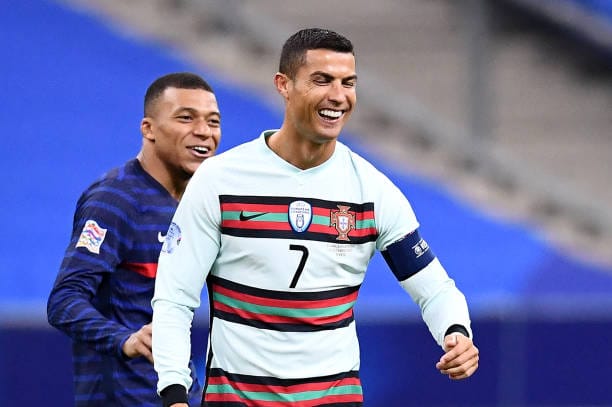
Ronaldo was a left winger who eventually became a central striker. Mbappe often starts in the center but naturally drifts to the left channel. This creates a unique challenge because other teammates prefer the same space. His second season will likely focus on his ability to rotate positions without disrupting the team’s shape.
Bonus Tip: Watch how many times a player switches sides during a match. Modern defenders find it harder to track forwards who constantly move between the center and the wings.
Commercial Influence and Global Branding
Both players changed the financial status of the club. Ronaldo’s arrival in 2009 led to an immediate increase in commercial revenue. Reports from financial analysts at the time showed that Real Madrid’s income from sponsorships and merchandise reached new heights because of his global appeal.
Mbappe’s arrival has triggered a similar economic boost, though the medium has changed. While Ronaldo sold physical jerseys through retail stores, Mbappe’s value is tied to digital engagement and social media presence.
Both players represent the most marketable athletes of their respective eras, ensuring the club remains the most valuable sports property in the world.
Physical Demands of the Spanish Schedule
The heavy schedule in Spain, combined with European competitions, tests the durability of every superstar.
Ronaldo managed to stay remarkably fit after his initial ankle injury, which allowed him to maintain his scoring rate into the spring months.
For Mbappe, the challenge involves managing his workload to avoid the muscle fatigue that often affects high-sprint players in their second year.
Things to Consider Before Comparing These Eras
Comparing players from different decades requires an understanding of how the sport has changed. Several factors influence the statistics beyond the skill of the individual.
- Defensive Standards: Modern coaching has improved the collective defensive structure of mid-table teams in La Liga.
- The VAR Factor: Tight offside calls and reviewed handballs often nullify goals that would have stood during the 2009-2011 period.
- Ball and Turf Technology: Modern pitches are kept in better condition, allowing for faster passing but also making it easier for defenders to recover.
- Squad Rotations: The introduction of five substitutions allows teams to stay fresher, meaning forwards face fresh defenders late in the game more often than Ronaldo did.
Questions Frequently Asked About These Stars
Who had more success in their first season?
Ronaldo had better individual statistics, but he did not win a major trophy in his first year. If Mbappe wins a league title or a European cup in his first season, his start could be considered more successful from a team perspective.
How does their age impact the comparison?
Ronaldo was 24 when he signed, and Mbappe was 25. Both were at the start of their physical peak. This makes the comparison fair as both players were expected to deliver immediate results without a long development period.
Who is faster on the pitch?
Mbappe has recorded higher top speeds in matches, reaching over 37 km/h. While Ronaldo was incredibly fast, his early years in Madrid were defined more by his power and vertical jumping ability.
Did Ronaldo win more individual awards early on?
No. During his first two years in Madrid, Ronaldo was often the runner-up to Lionel Messi for the Ballon d’Or. Mbappe faces a similar situation where he must compete with his own teammates and other young stars for individual honors.
Does the style of the manager change the stats?
Yes. Ronaldo played under managers who prioritized quick attacks. Mbappe plays in a system that values ball retention. This usually results in more assists for Mbappe but fewer total shots than Ronaldo.
Evaluating Long Term Success
Real Madrid stars usually fully settle during the transition between their first and second seasons. Ronaldo increased his goal output by 20 in his second year. This was due to his improved chemistry with playmakers and a better understanding of Spanish officiating.
Observers should watch for Mbappe’s assist numbers in his second campaign. If he becomes a better creator for others while maintaining a high scoring rate, he may prove to be a more complete player for the modern era than Ronaldo was at the same stage.
Success is not just about matching a number from 2011 but about ensuring the team continues to win trophies in a more competitive environment.