
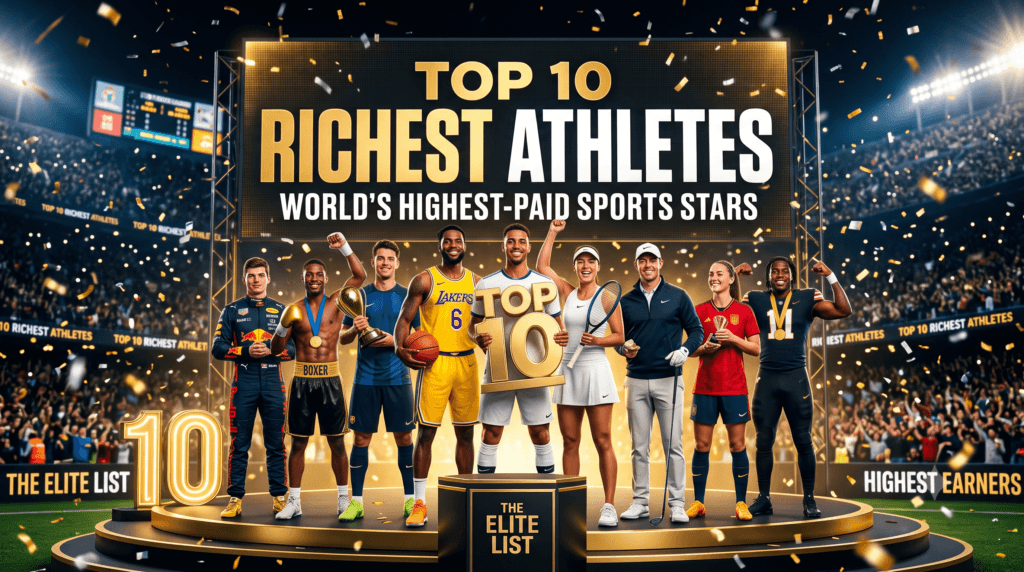

Top 10 Richest Athletes in the World: From Court to Boardroom
The business of sports is creating wealth on an unprecedented scale. According to Forbes, the world’s 50 highest-paid athletes earned a combined $4.1 billion in the 12 months ending May 2026, marking the second-highest annual total ever recorded.
Roughly $3 billion came from salaries, prize money, and performance bonuses, while another $1.1 billion was generated through endorsements, licensing agreements, appearance fees, memorabilia, and business ventures.
More importantly, the combined earnings of the top 50 athletes have surged from $2.6 billion in 2018 to over $4 billion in 2026, reflecting how elite athletes are building wealth far beyond their on-field careers.
Today, sporting excellence is only one part of the equation. The world’s richest athletes have transformed themselves into global entrepreneurs by investing in technology startups, real estate, sports franchises, fashion labels, media companies, and other high-growth businesses.
As a result, several have amassed fortunes worth hundreds of millions and even billions of dollars. In this article, we’ve ranked the top 10 richest athletes in the world using the latest publicly available estimates of their net worth, career earnings, endorsement income, business ventures, and investment portfolios.
Since many private assets and investments are not publicly disclosed, all figures should be considered well-researched estimates rather than exact values.
Ranking the Richest Athletes Icons
The following list represents the individuals who have managed their earnings with extreme efficiency. These figures reflect a combination of career earnings, endorsements, and the current value of their business holdings.
Here we go, with the list of the top richest athletes!
| Rank | Athlete | Sport | Estimated Net Worth (2026) |
| 1 | Michael Jordan | Basketball | $4.3 Billion |
| 2 | Tiger Woods | Golf | Around $1.5 Billion |
| 3 | LeBron James | Basketball | $1.4 Billion |
| 4 | Magic Johnson | Basketball | Around $1.2 Billion |
| 5 | Cristiano Ronaldo | Football | Around $1.2 Billion |
| 6 | Lionel Messi | Football | Around $1.1 Billion |
| 7 | David Beckham | Football | Around $1 Billion |
| 8 | Roger Federer | Tennis | Around $1 Billion |
| 9 | Lewis Hamilton | Formula One | Around $550 Million |
| 10 | Shaquille O’Neal | Basketball | Around $500 Million |
How We Ranked These Athletes
This ranking is based primarily on each athlete’s estimated net worth rather than annual earnings.
To compile the list, we analyzed publicly available financial information, including career salaries and prize money, endorsement deals, business ownership, equity investments, real estate holdings, and other known assets.
The figures were verified using reputable financial publications such as Forbes, Bloomberg, Sportico, official company filings, and publicly available business reports.
Since many athletes own private companies and undisclosed investments, exact net worth figures are not publicly available.
Therefore, all values in this article represent well-researched estimates based on the latest information available in 2026.
Top 10 Richest Athletes in the World
Here we go, one by one, from top 10 to number #1!
10. Shaquille O’Neal (Estimated Net Worth: Around $500 Million)
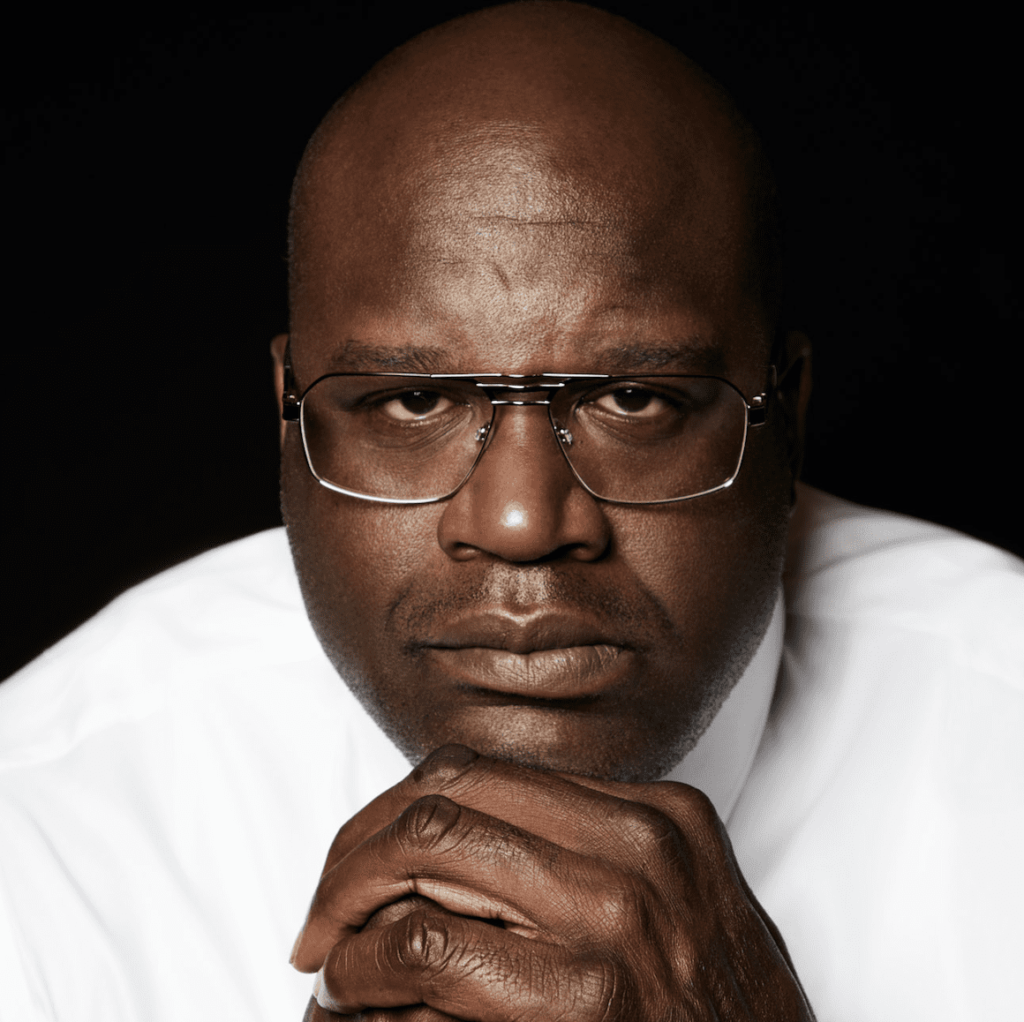
According to Fortune, retired NBA superstar Shaquille O’Neal has built an estimated net worth of around $500 million, making him one of the wealthiest former basketball players in the world.
While O’Neal earned more than $290 million in NBA salary during his 19-year career, his greatest financial success has come after retirement through strategic investments and successful business ventures.
O’Neal won four NBA championships, was selected to 15 NBA All-Star Games, and was named the NBA’s Most Valuable Player (MVP) in 2000.
Away from basketball, he has invested in restaurant franchises, commercial real estate, technology startups, and fitness businesses while securing endorsement deals with brands such as Papa Johns, Icy Hot, Carnival Cruise Line, and The General Insurance.
His philosophy of investing in businesses he understands has allowed him to build long-term wealth that extends far beyond his playing career.
9. Lewis Hamilton (Estimated Net Worth: Around $550 Million)
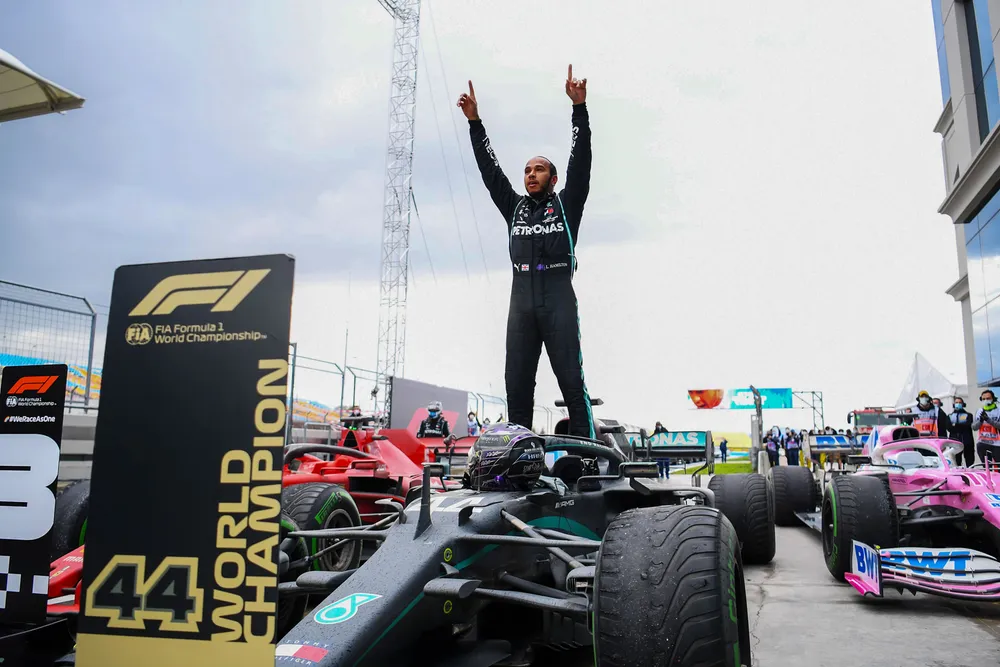
Few athletes have dominated their sport—and their brand—as successfully as Lewis Hamilton.
With an estimated net worth of around $550 million, the seven-time Formula One World Champion has built one of the largest fortunes in motorsport through record-breaking racing achievements, high-value sponsorships, and strategic business investments.
Forbes has consistently ranked Hamilton among the world’s highest-paid athletes, with much of his income coming from lucrative Formula One contracts and endorsement deals. Hamilton holds the records for the most Formula One race victories, pole positions, and podium finishes.
Beyond the racetrack, he has expanded his business interests through fashion collaborations with Tommy Hilfiger, investments in sustainable startups, and his production company, Dawn Apollo Films.
These ventures, combined with partnerships with brands such as Puma, IWC Schaffhausen, and Monster Energy, have helped him build a financial empire that extends well beyond Formula One.
8. Roger Federer (Estimated Net Worth: Around $1 Billion)
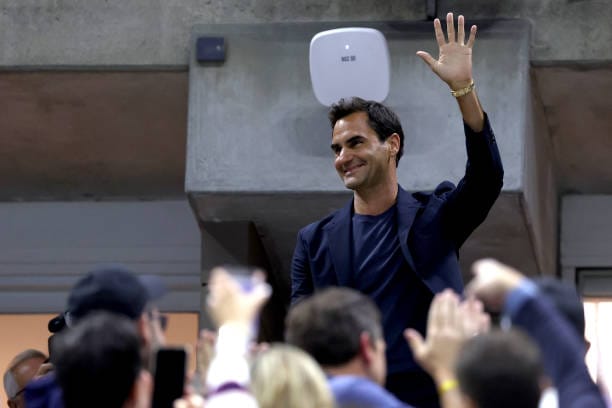
Roger Federer proved that an athlete’s greatest financial victories don’t always come on the playing field. With an estimated net worth of around $1 billion, the Swiss tennis legend has successfully transformed his iconic career into a global business empire.
Forbes attributes much of Federer’s wealth to his long-term endorsement portfolio, his reported 10-year, $300 million deal with Uniqlo, and his valuable equity stake in Swiss sportswear company On, which has become one of his most successful investments.
Beyond his financial success, Federer is widely regarded as one of the greatest tennis players of all time. The ATP Tour recognizes him as a 20-time Grand Slam singles champion who spent 310 weeks as the world’s No. 1 player.
Even after retiring in 2022, he continues to generate substantial income through partnerships with luxury brands such as Rolex, Mercedes-Benz, Lindt, Wilson, and Barilla, while also expanding his business interests through Team8 and the Laver Cup.
His ability to combine sporting excellence with smart investments has made him one of the richest athletes in the world.
7. David Beckham (Estimated Net Worth: Around $1 Billion)
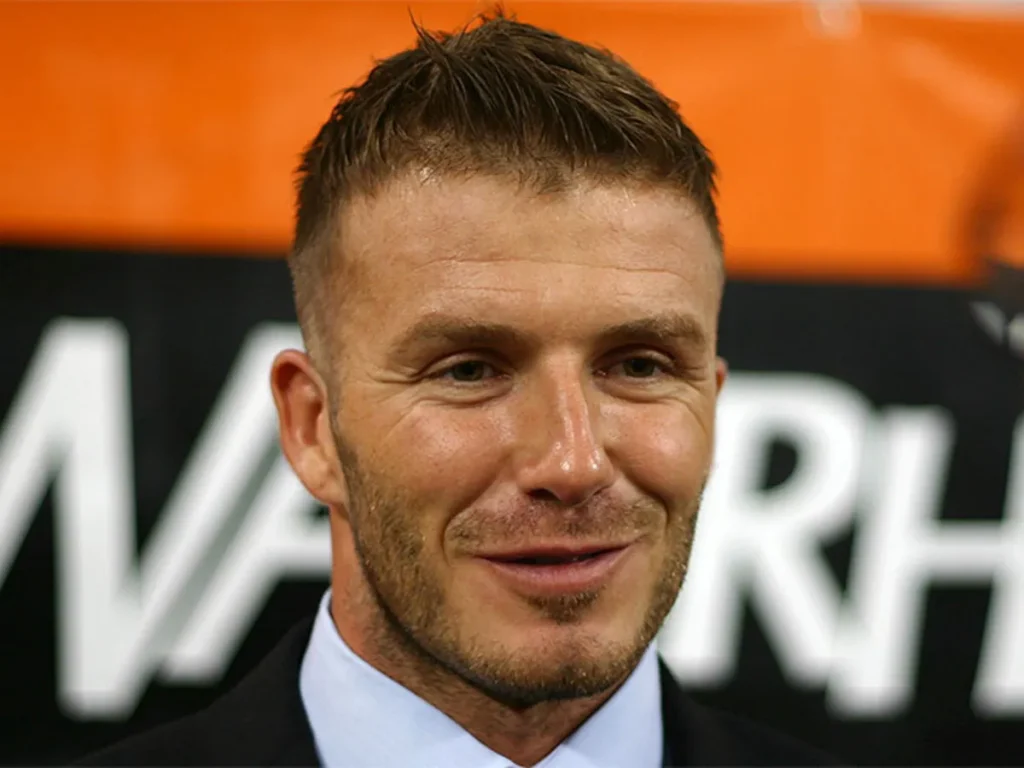
David Beckham’s financial success proves that an athlete’s legacy can extend far beyond retirement. With an estimated net worth of around $1 billion, the former England captain has built a global business empire through endorsement deals, brand licensing, and sports ownership.
Beckham is one of the most commercially successful athletes, while his ownership stake in Inter Miami CF has significantly boosted his wealth as the club’s valuation continues to rise.
On the field, Beckham enjoyed an illustrious career with clubs including Manchester United, Real Madrid, LA Galaxy, AC Milan, and Paris Saint-Germain, winning league titles in four different countries.
His exceptional achievements in European football, particularly his success with Manchester United during the club’s historic treble-winning season in 1999.
Off the pitch, Beckham has partnered with global brands such as Adidas, Tudor, Maserati, Nespresso, and Boss, while DB Ventures continues to generate substantial revenue through licensing and commercial partnerships.
His ability to transform sporting fame into long-term business success has secured his place among the world’s richest athletes.
6. Lionel Messi (Estimated Net Worth: Around $1.1 Billion)
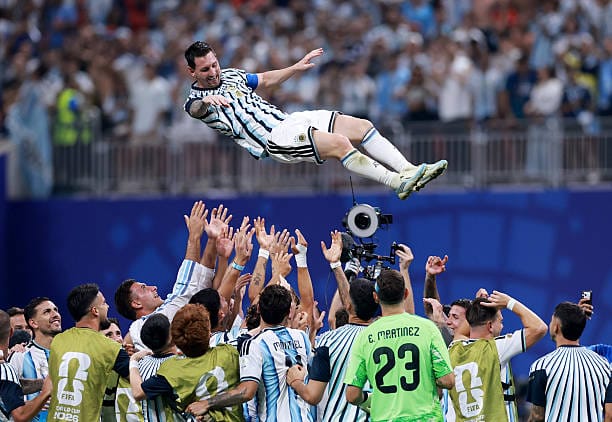
Few athletes have combined sporting greatness with commercial success as effectively as Lionel Messi.
With an estimated net worth of around $1.1 billion, the Argentine superstar has built an extraordinary fortune through record-breaking football contracts, lifelong endorsement partnerships, and strategic business ventures.
Forbes has consistently ranked Messi among the world’s highest-paid athletes, with his income driven by his Inter Miami CF contract, sponsorship deals, and investments. Messi’s achievements on the pitch are equally remarkable.
FIFA recognizes him as the captain who led Argentina to victory at the 2022 FIFA World Cup, adding the sport’s biggest prize to a career that includes eight Ballon d’Or awards and numerous league and UEFA Champions League titles.
Off the field, he has secured long-term partnerships with global brands such as Adidas, Pepsi, Hard Rock International, and Apple, while expanding his wealth through the MiM Hotels chain and other business investments.
His sustained excellence and global influence have firmly established him among the richest athletes in the world.
5. Cristiano Ronaldo (Estimated Net Worth: Around $1.2 Billion)
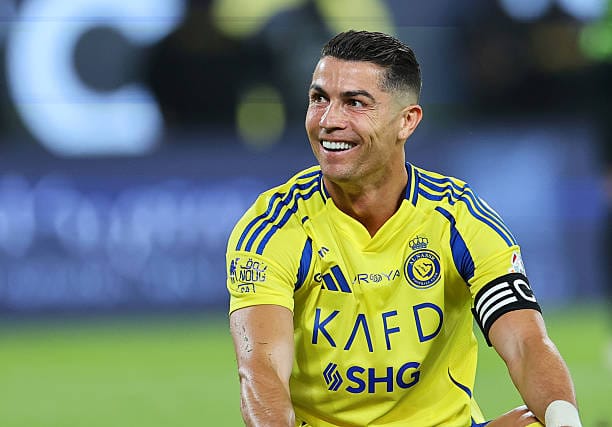
Cristiano Ronaldo has transformed himself from one of football’s greatest players into one of the world’s most valuable personal brands.
With an estimated net worth of around $1.2 billion, the Portuguese superstar has accumulated his fortune through record-breaking football contracts, lifetime endorsement deals, and a rapidly growing business portfolio.
Forbes has consistently ranked Ronaldo among the highest-paid athletes globally, with his earnings fueled by his contract with Al Nassr, commercial partnerships, and the continued expansion of the CR7 brand.
Ronaldo’s football achievements are equally extraordinary. UEFA recognizes him as the all-time leading scorer in the UEFA Champions League, where he won five European titles while representing Manchester United and Real Madrid.
Beyond football, Ronaldo has built a diversified business empire that includes CR7 Hotels, CR7 Fitness, a fragrance line, fashion products, and significant investments in hospitality and healthcare.
His lifetime partnership with Nike, reportedly one of the most valuable endorsement deals ever signed by an athlete, continues to generate substantial revenue, helping him maintain his position among the richest athletes in the world.
4. Magic Johnson
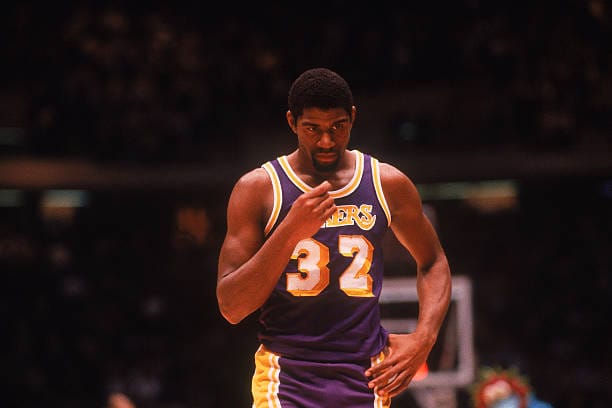
Magic Johnson’s extraordinary financial journey shows that success after retirement can be just as remarkable as success on the court.
With an estimated net worth of around $1.2 billion, Johnson has built one of the most impressive business empires in sports history.
While his NBA career laid the foundation, his billionaire status has been driven by decades of strategic investments, including ownership stakes in professional sports teams, insurance companies, movie theaters, restaurants, and real estate.
Forbes recognized Johnson as one of the few athletes to achieve billionaire status through entrepreneurship rather than playing contracts alone.
Johnson is widely regarded as one of basketball’s greatest point guards, winning five NBA championships, three NBA MVP awards, and leading the iconic “Showtime” era of the Los Angeles Lakers.
Today, his investment firm, Magic Johnson Enterprises, oversees a diverse portfolio spanning healthcare, financial services, sports, and infrastructure.
His ability to identify high-growth investment opportunities has made him a leading example of how athletes can successfully transition into business leaders after retirement.
3. LeBron James (Estimated Net Worth: Around $1.4 Billion)
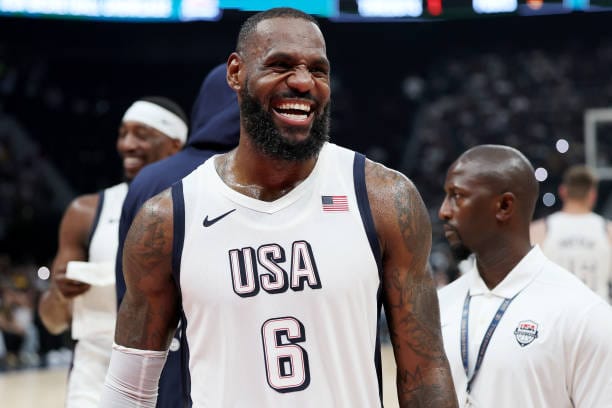
LeBron James has redefined what it means to be a modern athlete, building a billion-dollar empire while still competing at the highest level of professional basketball.
With an estimated net worth of around $1.4 billion, he is one of the few active athletes to achieve billionaire status.
His fortune extends far beyond NBA salaries, driven by equity investments, media ventures, endorsement deals, and ownership stakes in several high-profile businesses.
James was the league’s all-time leading scorer and a four-time NBA champion, achievements that have cemented his place among basketball’s greatest players.
Off the court, he has invested in companies such as Blaze Pizza, co-founded SpringHill, and owns a stake in Fenway Sports Group, giving him indirect ownership interests in globally recognized teams, including the Boston Red Sox and Liverpool FC.
His lifetime partnership with Nike, reportedly valued at more than $1 billion, remains one of the most lucrative endorsement agreements in sports history.
By combining elite athletic performance with visionary business decisions, James has become one of the wealthiest and most influential athletes of his generation.
2. Tiger Woods (Estimated Net Worth: Around $1.5 Billion)
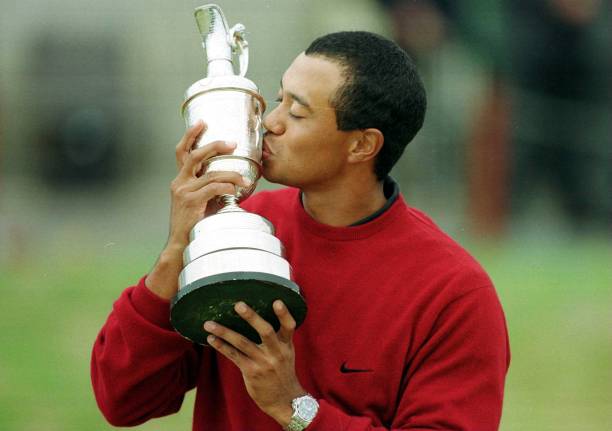
Tiger Woods didn’t just change the game of golf—he transformed it into a global commercial powerhouse.
With an estimated net worth of around $1.5 billion, Woods is one of the wealthiest athletes of all time, thanks to a career that combined unparalleled sporting success with some of the most lucrative endorsement deals in history.
Woods was one of the first athletes to reach billionaire status, noting that the overwhelming majority of his wealth has come from sponsorships, licensing agreements, and business ventures rather than tournament prize money alone.
Woods with 82 PGA Tour victories, tying the all-time record, while his 15 major championships rank second only to Jack Nicklaus in men’s professional golf.
Away from the course, Woods has built a diverse business portfolio through TGR Ventures, which includes golf course design, hospitality, media production, and charitable initiatives.
Long-term partnerships with brands such as Nike, TaylorMade, Rolex, and Bridgestone Golf have further strengthened his financial position.
More than two decades after becoming golf’s biggest star, Woods remains one of the sport’s most influential figures and one of the richest athletes in the world.
1. Michael Jordan (Estimated Net Worth: Around $4.3 Billion)
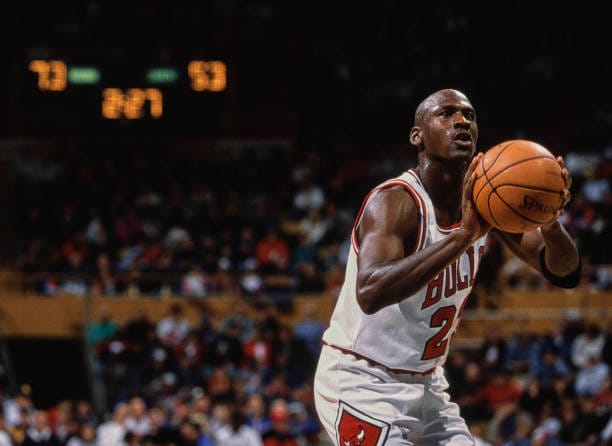
No athlete has turned sporting excellence into financial success quite like Michael Jordan. With an estimated net worth of around $4.3 billion, the basketball icon is widely regarded as the richest athlete in the world.
Forbes attributes the majority of Jordan’s fortune not to his NBA salary, but to decades of business success, led by the phenomenal growth of the Jordan Brand in partnership with Nike.
His investment portfolio, ownership interests, and endorsement income have continued to grow long after his retirement, making him the gold standard for athlete entrepreneurship. Jordan’s legacy on the court is equally unmatched.
The Naismith Memorial Basketball Hall of Fame recognizes him as a six-time NBA champion, five-time NBA Most Valuable Player (MVP), and one of the greatest players in basketball history.
Beyond the game, he earned billions through licensing agreements, strategic investments, and the sale of his majority stake in the Charlotte Hornets, a deal that further strengthened his financial position.
The Jordan Brand alone generates billions of dollars in annual revenue for Nike, with Jordan continuing to receive substantial royalty payments. More than two decades after retiring from professional basketball, his influence on sports, business, and global culture remains unparalleled.
Things to Consider Before Evaluating Athlete Wealth
Determining the exact net worth of a celebrity is not an exact science. Several factors can influence these numbers.
- Gross vs. Net Income: Earnings reported in the media are often gross figures. Athletes pay high taxes, sometimes exceeding 50 percent depending on where they play.
- Agent and Management Fees: Most athletes pay between 3 and 10 percent of their income to agents and managers.
- Asset Liquidity: A large portion of an athlete’s wealth might be tied up in sports teams or real estate. This money is not always “cash on hand.”
- Debt and Liabilities: High earners often take out loans for business expansions. A person’s net worth is their total assets minus their total liabilities.
Expert Answers on Sports Wealth
How do athletes protect their wealth from inflation?
Most wealthy athletes move their money into “hard assets” like commercial real estate or professional sports franchises. These assets tend to appreciate at a rate that beats inflation. They also diversify into private equity to ensure their wealth is not tied to a single currency or market.
Why do some athletes go broke despite high earnings?
High career earnings do not guarantee long-term wealth. Many athletes face shortened careers due to injury and lack the financial education to manage their spending. Poorly vetted investments and high lifestyle costs are the most common reasons for financial failure in professional sports.
What is the role of social media in modern athlete wealth?
Social media has allowed athletes to become their own media companies. Instead of relying on traditional television commercials, they can sell directly to their fans. This increases their leverage when negotiating with big brands, as they bring a guaranteed audience to the table.
Are female athletes catching up in net worth?
The gap is narrowing but remains significant. Serena Williams is the closest to the top 10, with a net worth estimated around $300 million. As media rights for women’s sports increase, it is likely that a female athlete will enter the top 10 list within the next decade.
Who is the richest athlete of all time?
Michael Jordan holds this title. When adjusting for inflation, his career earnings and business growth put him ahead of historical figures like chariot racer Gaius Appuleius Diocles or modern rivals like Tiger Woods.
Do active athletes make more than retired ones?
Generally, active athletes have higher annual salaries, but retired athletes like Jordan and Magic Johnson have higher net worths. This is because their investments have had decades to grow through compound interest and market appreciation.
How do taxes affect these rankings?
Taxes have a massive impact. Athletes playing in states like Florida or countries like Saudi Arabia often keep more of their income compared to those in California or the United Kingdom. This “jock tax” can eat away at a player’s earnings every time they play an away game in a different jurisdiction.
Final Summary of Sports Wealth
Building a massive net worth in sports requires more than just physical talent. It requires a disciplined approach to investing and the ability to build a brand that lasts longer than a playing career.
Michael Jordan set the standard by moving from the court to the boardroom. Modern stars like LeBron James and Lionel Messi are following this blueprint by demanding equity and ownership.
Individuals should evaluate their own financial goals by looking at how these athletes diversify their income. While most people will not sign a multi-million dollar shoe deal, the principles of equity investment and tax planning apply to everyone.
Consider consulting with a financial professional to create a long-term strategy for your own assets.
Stay in touch with us for more updates!